When this guide is the right tool
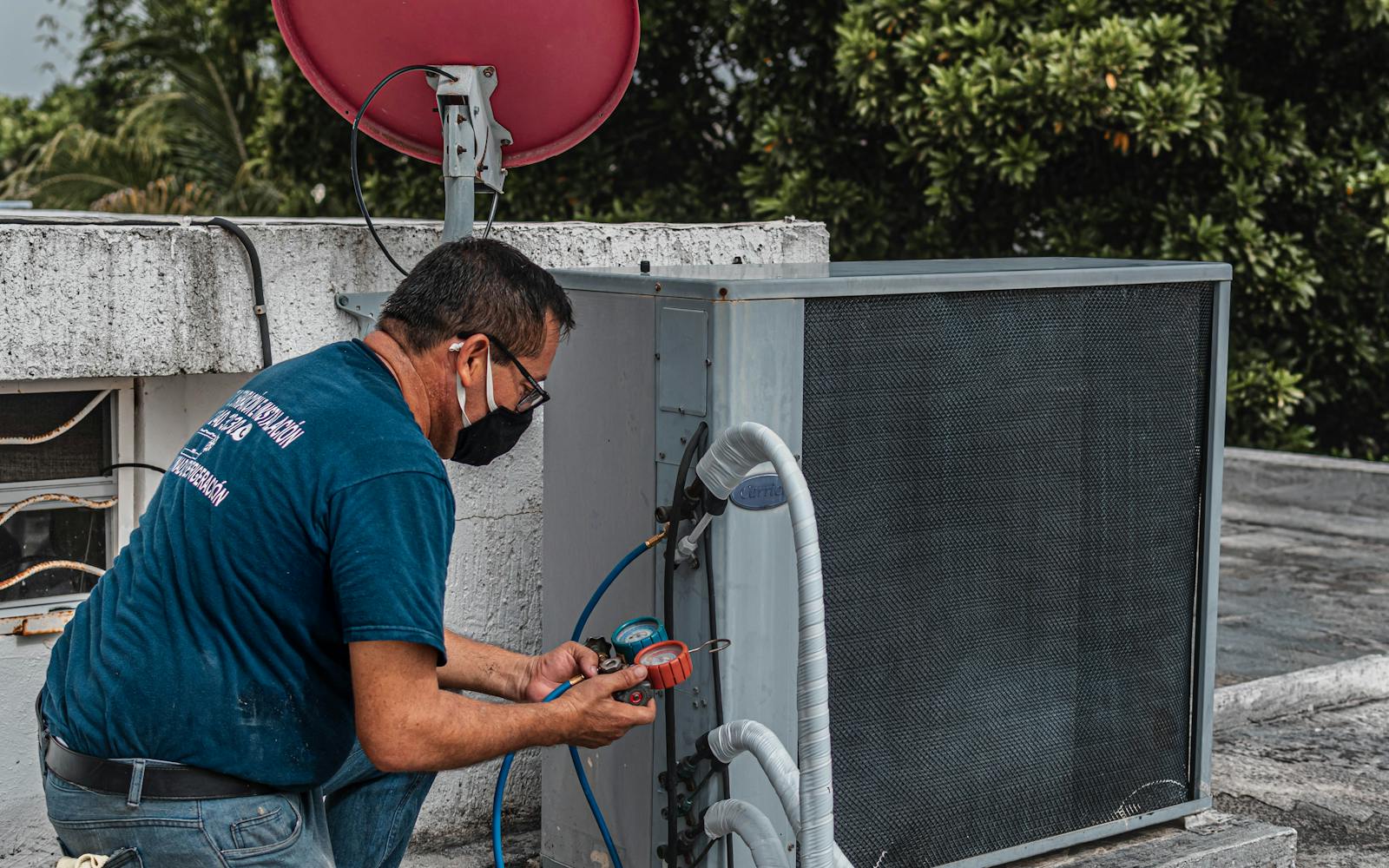
This guide helps when the system is still running but the house is warm, uneven, or sticky. It gives you a plain-English way to think through the most common cooling problems, the safe checks you can make at home, and whether the next conversation should be a repair visit or a replacement quote.
Good use cases
- The thermostat says cool, but the air feels warm or weak.
- You are seeing water, ice, or repeat shutdowns and want context before booking.
- You are unsure whether one more repair is likely to solve the problem cleanly.
Online scheduling is confirmed after review
MajorHVAC reviews online requests and confirms the appointment window by phone or email. If the cooling failure feels urgent or unsafe, a direct call is still the fastest move.
No-cool and low-cool signs that usually matter most
Warm air or no cooling
This can come from thermostat issues, electrical interruptions, airflow restrictions, refrigerant-related problems, or failed cooling components. The same symptom can point to very different fixes.
Weak airflow
If the system sounds like it is running but the house is barely cooling, think filter, blower, duct restriction, or another airflow issue before assuming the entire system is finished.
Ice or water around the system
Frozen coils and drain problems are common reasons homeowners shift from "annoying" to "urgent." Ice almost always means the system should stop running until the cause is addressed.
Short cycling, humming, or strange noise
A cooling system that starts and stops too often, hums without delivering comfort, or sounds mechanically stressed should not be ignored in hot weather.
Safe AC checks before you book repair
Homeowner-safe cooling checks
- Confirm the thermostat is on cool and set below room temperature.
- Replace a clogged filter before assuming a larger failure.
- Check the breaker if the system appears fully off.
- Make sure supply vents are open and not blocked by furniture or rugs.
- Look outside for obvious debris packed around the condenser.
What not to push through
- Do not keep forcing a system to run when you see ice forming.
- Do not repeatedly reset breakers or disconnects.
- Do not open electrical panels or sealed refrigerant components.
- Do not ignore water near the air handler, especially if it is reaching finished flooring or ceilings.
When to stop troubleshooting and call immediately
Move faster when you see these signs
- The system trips the breaker repeatedly or gives off a burning smell.
- The indoor coil is freezing up again after you already changed the filter.
- Water is leaking heavily around the air handler or ceiling below it.
- The home is getting dangerously hot for occupants or pets.
- The equipment sounds strained, unstable, or electrically abnormal.
Helpful references for cooling context
Why cooling failures feel worse during smoky or high-heat stretches
Summer urgency is not only about the thermostat number. Outdoor smoke, rising indoor heat, and the way closed-up homes affect people, pets, plants, and electronics all change how long it makes sense to wait.
Four numbers that change the tone of a no-cool call
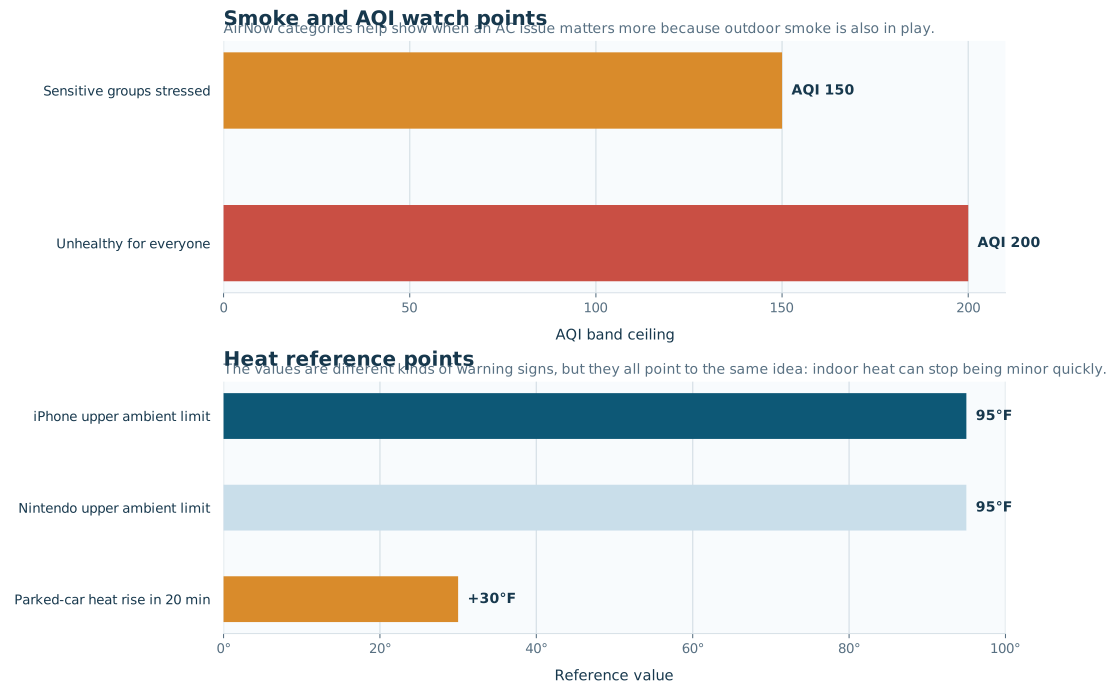
A room that is getting hotter, smoke that is drifting in, or electronics that are clearly outside a comfortable temperature range are all reasons to move from reading to action instead of waiting for the symptom to grow.
When AC repair makes sense and when replacement deserves a closer look
Repair usually makes sense when
- The issue looks isolated and the system has otherwise been dependable.
- Your summer comfort has mostly been solid until this failure.
- You are not dealing with repeated breakdowns, rising bills, and comfort complaints at the same time.
Replacement deserves a closer look when
- No-cool calls keep happening during the same cooling season.
- The house never feels evenly cool or dry even when the system runs hard.
- Electric bills keep climbing without better comfort.
- You are tired of hoping the next repair buys enough time.
What an AC repair visit usually needs from you
What the visit is trying to answer
- Why the system is not cooling the way it should.
- Whether airflow, drainage, or component failure is driving the symptom.
- Whether the repair restores confidence or points toward a bigger equipment conversation.
What helps you prepare
- Note when cooling started slipping and whether the issue is constant or intermittent.
- Write down any icing, leaking, or breaker trips you noticed.
- Replace the filter and clear access around the indoor and outdoor equipment.
- Be ready to describe which rooms feel worst and what the thermostat is showing.
AC repair questions homeowners ask first
What can I safely check before I book AC repair?
You can check the thermostat mode and setting, replace a dirty filter, confirm the breaker has not tripped, make sure supply vents are open, and look for obvious debris around the outdoor unit. Stop if you see ice, electrical damage, or water where it should not be.
When should I stop troubleshooting and call right away?
Call right away when the system trips the breaker repeatedly, gives off a burning smell, leaks heavily near the air handler, stops cooling during unsafe heat, or develops a frozen coil that keeps returning.
How do I know whether AC repair or replacement deserves the conversation?
Repair makes more sense when the problem looks isolated and the rest of the system has been dependable. Replacement deserves the conversation when no-cool calls repeat, bills climb, comfort keeps dropping, or the system is becoming unreliable during peak summer demand.
What happens after I send an online request to MajorHVAC?
The request stays pending until MajorHVAC confirms the appointment window by phone or email. If the cooling failure is urgent, calling directly is the fastest route.