When this guide actually helps
Use this guide when you need to sort out urgency, check a few safe items, and decide whether the next conversation should be about repair or replacement. It is most useful when the furnace is still trying to run but the home is not warming up the way it should.
Use it when the symptom is confusing
- The furnace starts but the house still feels cold.
- The system cycles on and off too often or sounds unstable.
- You want to know whether the issue sounds routine, urgent, or expensive.
Online requests still need confirmation
MajorHVAC confirms online requests by phone or email before the appointment is locked in. If the heat is out right now, calling directly is still the fastest path.
Common warning signs and what they usually mean
Symptoms do not replace diagnosis, but they do tell you whether the conversation is about a likely repair, an airflow issue, or a system that may be aging out of dependable winter service.
No heat at all
A total no-heat call can come from a thermostat issue, breaker problem, ignition failure, pressure switch interruption, blower problem, or another component failure inside the heating sequence.
Short cycling
A furnace that starts and stops too often may be overheating, struggling with airflow, or hitting a safety limit. Repeated short cycling increases wear and should not be treated like a harmless quirk.
Weak airflow or cold rooms
Dirty filters, closed registers, blower issues, or duct restrictions can all leave rooms under-heated even when the furnace sounds like it is trying to work.
Strange odor or noise
A quick dusty smell at the first heating cycle of the season can be normal. Persistent gas odor, burning smell, scraping noise, or booming ignition behavior is a different category and deserves faster attention.
Safe first checks before you pick up the phone
Checks that are usually homeowner-safe
- Confirm the thermostat is set to heat and above room temperature.
- Check batteries if the thermostat model uses them.
- Make sure the furnace switch and breaker are on if the unit appears fully dead.
- Inspect the filter and replace it if it is visibly loaded with dust.
- Open blocked supply registers and look for obvious intake or exhaust blockage outside.
Do not turn this into a furnace teardown
- Do not open gas piping, burners, or sealed furnace components.
- Do not keep resetting a unit that appears to be shutting itself down for safety.
- Do not assume carbon monoxide would be obvious by smell. CO is odorless.
- Do not keep operating the furnace if it is producing alarming odor, soot, or unstable ignition.
When to stop troubleshooting and call right now
Treat these as urgent
- You smell gas or hear what could be a leak near the equipment.
- A carbon monoxide alarm sounds anywhere in the home.
- The furnace will not stay lit or seems unstable after startup.
- You notice electrical burning smell, scorching, or repeated breaker trips.
- The house is getting dangerously cold, especially with children, older adults, or medical needs in the home.
Primary safety references
These official resources informed the safety portions of this guide and are worth reviewing if you are deciding whether the situation belongs in a routine repair or an urgent safety call.
Why furnace safety concerns need a faster response
Heating repair is not only about comfort. Combustion equipment depends on proper air, venting, and safe operation. Gas odor, alarm activity, unstable ignition, or repeated shutdowns should move the situation into a faster-response category right away.
Two numbers that explain why the system may be stopping for a reason
Do not use this page as a gas, burner, or venting repair walkthrough.
What a cold house can do before the furnace fully quits
If the heat is slipping but not gone, the furnace problem can start affecting everyday comfort, houseplants, pets, and electronics before the system shuts down completely.
Three reference points that show why a cold home stops being a small issue
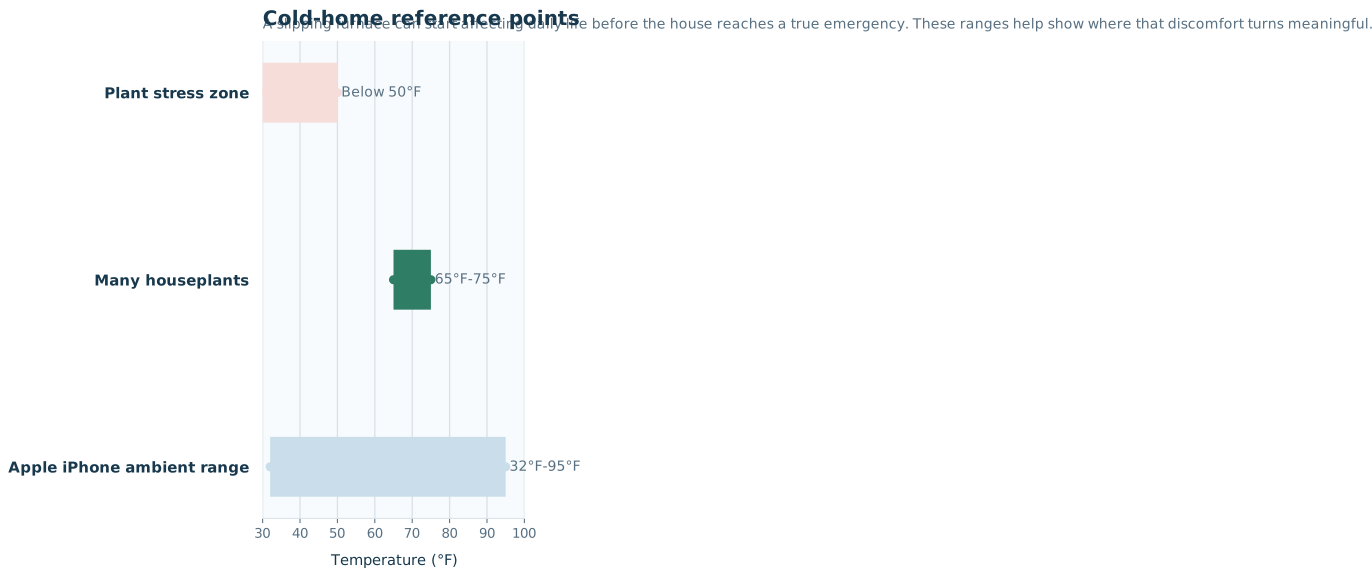
If rooms that matter most are drifting toward these colder ranges, the furnace issue deserves faster attention.
People notice cold homes in different ways
When bedrooms, living rooms, or a nursery are getting chilly, the problem moves beyond inconvenience. Comfort drops first, sleep gets harder, and the household starts organizing around the cold room instead of around the day.
- Keep pets in the warmest part of the home and away from drafts.
- Move houseplants away from cold windows and exterior walls.
- Protect electronics and batteries that should not sit in a cold room for long.
How to think about repair versus replacement
Most homeowners do not need a final answer before the service visit. What helps is knowing whether the current problem feels isolated or whether it is part of a pattern of winter unreliability, rising cost, and repeated inconvenience.
Repair is easier to justify when
- The failure appears isolated and the rest of the system has been stable.
- Comfort has generally been good outside of this event.
- You are not dealing with repeated safety concerns or constant breakdown fatigue.
Replacement deserves the conversation when
- Repairs keep coming back during the same heating season.
- Heating bills are climbing while comfort is getting worse.
- The furnace is showing age, unstable behavior, or recurring safety concerns.
- You are already wondering whether one more repair is just delaying the real decision.
What a furnace repair visit usually needs from you
What the technician is trying to answer
The visit is usually about confirming the failure point, checking whether airflow or venting problems are contributing, and deciding whether repair restores confidence or only buys a little time.
- What symptom starts the failure sequence.
- Whether safety switches or airflow issues are involved.
- Whether the fix sounds clean and isolated or part of a larger decline.
What helps you prepare
- Note when the problem started and whether it is constant or intermittent.
- Write down any smells, noises, or thermostat behavior you noticed first.
- Check or replace the filter so that obvious airflow restriction is not muddying the diagnosis.
- Keep access clear around the furnace and thermostat before the visit.
Furnace repair questions homeowners ask first
What can I safely check before I book furnace repair?
You can check the thermostat setting, the filter, the furnace switch and breaker, open supply registers, and whether the intake or exhaust appears blocked. Stop if you smell gas, a carbon monoxide alarm sounds, or anything looks unsafe.
When should I shut the furnace down and call immediately?
Shut the system down and treat it as urgent if you smell gas, a carbon monoxide alarm activates, the furnace will not stay lit, there is electrical burning smell, or the unit is cycling in a way that feels unsafe.
How do I know whether repair or replacement is the better next step?
Repair is usually easier to justify when the failure is isolated and the rest of the system is stable. Replacement deserves the conversation when breakdowns keep returning, heating costs keep climbing, safety concerns appear, or the equipment is aging out.
What happens after I send an online request to MajorHVAC?
Your request stays pending until MajorHVAC confirms the appointment window by phone or email. If the heat is out right now, calling directly is still the fastest path.