When this guide is the right tool
This guide is for homeowners who want to prevent problems before the first heat wave exposes them. It helps when the system still cools, but you want a smarter sense of how maintenance supports reliability, humidity control, and cleaner indoor comfort.
This guide is useful if
- The AC worked last season, but not confidently enough to ignore.
- The house felt dusty, muggy, or uneven even when cooling technically worked.
- You want to know which homeowner tasks help and which problems deserve a service visit.
Maintenance is still a comfort decision
If the goal is better sleep, fewer humidity complaints, and less summer stress, maintenance belongs in the homeowner decision bucket, not just the equipment bucket.
What seasonal maintenance is actually trying to protect
Airflow confidence
Clogged filters, blocked returns, neglected coils, and overlooked blower issues can all make cooling feel weaker long before the equipment completely quits.
Drainage and moisture control
Part of a good tune-up is catching the small drainage or condensate problems that later show up as water, odor, ceiling stains, or sticky indoor air.
Cleaner summer operation
Maintenance also helps reduce the chance that dust, airflow imbalance, and minor wear pile up into a comfort complaint that feels bigger than it needed to be.
Calmer timing
It is easier to choose maintenance before peak demand than to scramble for help when the first hard heat stretch reveals everything at once.
Why airflow, humidity, and smoky days change what maintenance is worth
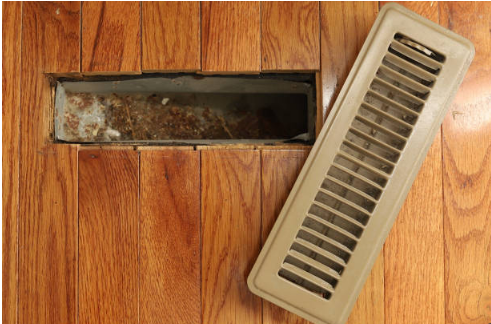
Poor summer comfort is not only about air temperature. Dust, damp materials, clogged returns, and outdoor smoke can all make a house feel worse than the thermostat suggests, especially when the system has been running without attention.
Four numbers that make maintenance feel more concrete
Color is not the only signal here: rising humidity, stale odor, visible dust, and repeat filter loading all matter even before a homeowner sees major damage.
Homeowner tasks that support a maintenance visit
Useful between visits
- Replace filters on schedule instead of waiting until airflow feels obviously weak.
- Keep supply and return grilles clear of furniture, rugs, and clutter.
- Trim back vegetation or debris crowding the outdoor unit.
- Watch for new water, odor, or short cycling that changes the story from maintenance to repair.
Signs it is no longer just maintenance
- Heavy leaking around the air handler or ceiling below it.
- Breaker trips, burning smell, or clear electrical distress.
- Repeated icing, no-cool behavior, or rooms that stop receiving airflow.
- Persistent odor or dampness that makes you suspect more than a simple filter problem.
What a seasonal maintenance visit usually needs from you
What helps the visit move faster
- Note which rooms felt hottest or most humid last season.
- Keep clear access to the thermostat, indoor equipment, and outdoor unit.
- Mention any new noise, odor, or water you have noticed even if cooling still works.
What the visit is trying to answer
The goal is to catch minor wear, airflow trouble, and moisture-related issues while they are still maintenance-sized rather than emergency-sized.
Air conditioning maintenance questions homeowners ask first
When should I schedule AC maintenance?
Most homeowners should schedule seasonal AC maintenance before heavy summer demand arrives, especially if the system is older, airflow has been inconsistent, or the home felt sticky or dusty last season.
What can homeowners still do between tune-ups?
Homeowners can replace filters on schedule, keep supply and return areas clear, trim debris away from the outdoor unit, and watch for new water, ice, odor, or airflow changes that turn maintenance into repair.
Can maintenance help with humidity and air quality complaints?
Maintenance can help expose airflow restrictions, drainage issues, dirty filters, and other problems that make humidity and dust complaints worse, but persistent air quality concerns may still require repair or broader system changes.
What happens after I send an online maintenance request to MajorHVAC?
Your request stays pending until MajorHVAC confirms the appointment window by phone or email. If cooling has already failed or the home is becoming unsafe, calling directly is still the fastest route.