When this guide is the right tool
This guide helps when the furnace still runs, but you want a smarter sense of how maintenance supports winter reliability, airflow, and indoor comfort. It is especially useful for homeowners who want to prevent emergency no-heat calls rather than react to them.
This guide is useful if
- The furnace worked last winter, but not confidently enough to ignore.
- The house felt dusty, stale, or unevenly heated during colder weeks.
- You want to know which homeowner tasks help and which warning signs deserve a service visit.
Maintenance is still a comfort choice
If the goal is steadier rooms, less dust, and fewer winter surprises, a tune-up belongs in the homeowner decision bucket, not just the equipment bucket.
What a seasonal furnace maintenance visit is really trying to protect
Airflow confidence
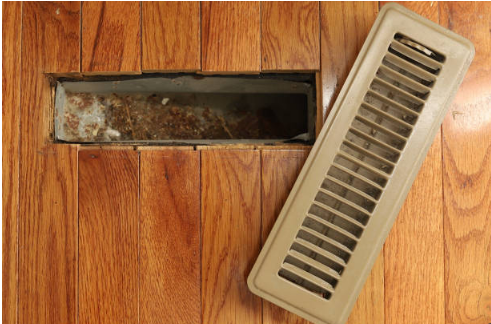
Dirty filters, blocked returns, and neglected components can make the furnace work harder while rooms still feel chilly or stale.
Cleaner winter operation
Maintenance helps surface wear, soot, dust, and moisture-related issues before they become the story of the heating season.
Calmer timing
It is easier to choose a tune-up before the first serious cold stretch than to call for help once the home is already uncomfortable.
Better judgment about risk
Maintenance also helps separate ordinary upkeep from the warning signs that belong in the repair or replacement bucket.
Why airflow, dust, and moisture still matter in heating season
Winter comfort is not only about thermostat temperature. Stale air, visible dust, damp materials, and hidden moisture problems can make the home feel worse even when the furnace technically keeps running.
Three numbers that make winter maintenance feel more concrete
These thresholds do not replace diagnosis, but they help explain why a tune-up is partly about indoor comfort quality, not only about whether heat comes out.
Homeowner tasks that support a heating tune-up
Useful between visits
- Replace filters on schedule instead of waiting until airflow obviously drops.
- Keep returns, supply vents, and the furnace area clear.
- Pay attention to new odors, dust patterns, or short cycling behavior.
- Note cold rooms or comfort patterns you want addressed during the visit.
Signs it is no longer just maintenance
- You smell gas or hear what could be a leak.
- A carbon monoxide alarm sounds anywhere in the home.
- The furnace is short cycling, burning oddly, or showing obvious soot or scorching.
- The home is too cold and the situation feels urgent for occupants.
What a seasonal furnace maintenance visit usually needs from you
What helps the visit move faster
- Note cold rooms, dust complaints, and any winter odor or comfort changes.
- Keep clear access to the furnace, thermostat, and nearby vents.
- Mention any recent short cycling, strange startup behavior, or no-heat scares.
What the visit is trying to answer
The goal is to catch small airflow, wear, moisture, and performance issues while they are still maintenance-sized rather than emergency-sized.
Furnace maintenance questions homeowners ask first
When should I schedule furnace maintenance?
Most homeowners should schedule furnace maintenance before sustained cold arrives, especially if airflow was weak last winter, dust buildup has been obvious, or the system is older and reliability matters.
What can homeowners still do between tune-ups?
Homeowners can replace filters on schedule, keep return and supply grilles clear, watch for new odors or soot, and pay attention to short cycling, noise, or cold-room patterns that turn maintenance into repair.
Can maintenance help with stale air and dust complaints?
Maintenance can help expose dirty filters, restricted airflow, moisture problems, and other issues that make winter air feel stale or dusty, but persistent odor or comfort problems may still require repair or larger system changes.
What happens after I send an online maintenance request to MajorHVAC?
Your request stays pending until MajorHVAC confirms the appointment window by phone or email. If the heating problem is already urgent or unsafe, calling directly is still the fastest route.