When a furnace replacement guide becomes the smarter starting point
This guide helps when the current furnace may still operate, but confidence in that system is slipping. It is for homeowners trying to sort out whether the heating issue is just one repair away from stability or part of a bigger winter reliability problem.
This guide is useful if
- The furnace has needed repeated visits or recurring repairs.
- Heating bills keep climbing without better comfort.
- You are weighing timing, estimate prep, and whether to replace before the next emergency hits.
You do not need a dead furnace to start planning
Many of the best replacement decisions happen before a total no-heat event. The goal is not to prove the furnace has failed beyond hope. The goal is to decide whether it still deserves confidence.
The signs that usually push homeowners toward replacement
Breakdowns are becoming the story
When the heating season keeps producing new service calls, replacement often stops being a luxury conversation and starts becoming a reliability conversation.
Comfort has dropped off
Cold rooms, weak airflow, long run times, and a house that never feels evenly heated are all signals that the current setup may not be serving the home well anymore.
Safety concerns keep surfacing
If carbon monoxide worries, venting questions, unstable ignition, or gas-odor events are part of the story, that changes the tone of the repair-versus-replace decision immediately.
You do not trust the next cold stretch
That loss of confidence matters. Many homeowners replace because they no longer want winter reliability to depend on one more short-term fix.
When to stop waiting and call now
Move quickly when heating reliability becomes a safety problem
- The house is getting dangerously cold, especially for vulnerable occupants.
- You smell gas or hear what could be a leak.
- A carbon monoxide alarm sounds anywhere in the home.
- The furnace seems unstable, scorched, or repeatedly unsafe after startup.
Replacement can still start with a phone call
Even if you are not ready to choose equipment, calling now can help you move out of "we should probably replace this soon" and into a real timeline before the next cold emergency makes the choice for you.
Why winter reliability decisions affect more than human comfort
Homeowners often start the replacement conversation because the furnace feels stressful, not because they have a spreadsheet proving it. A home that slips too cold can affect plants, devices, and daily routines long before the furnace is officially "dead."
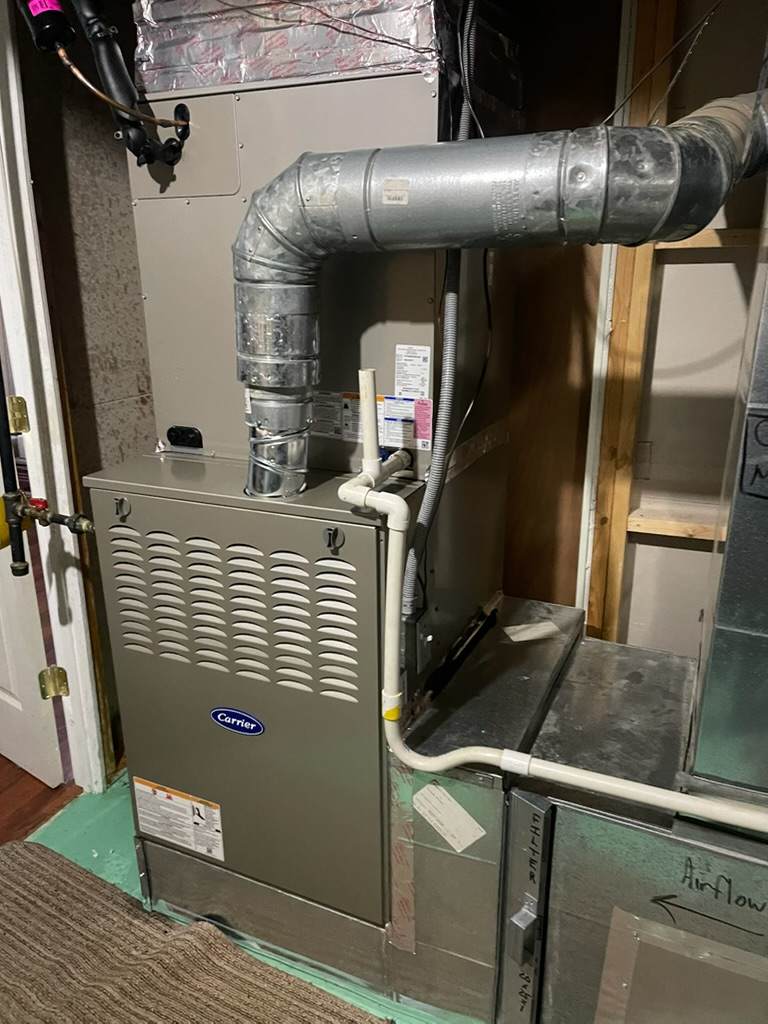
Three reference points that make winter reliability feel concrete
Plant and electronics comparisons are homeowner context only, not horticultural or warranty advice.
How to compare repair fatigue with replacement value
Another repair may still make sense when
- The issue appears isolated and the system has otherwise been dependable.
- Safety is not part of the concern and winter comfort has generally been good.
- You still have strong confidence that a repair restores stability rather than postponing a bigger decision.
Replacement deserves the stronger push when
- Breakdowns keep interrupting winter comfort.
- Energy costs and frustration keep rising together.
- You are already planning around the system rather than trusting it.
- Safety concerns or repeated warning signs have entered the picture.
What to prepare before a furnace replacement estimate
Bring the heating story
- Which rooms stay cold or take longest to heat.
- How often the system has needed service recently.
- Any odor, venting, or safety concerns that changed your confidence in the furnace.
Bring the practical details
- Approximate age of the equipment if you know it.
- Recent heating-cost trends if efficiency is part of the decision.
- Clear access to the furnace, thermostat, and related equipment before the visit.
What to expect from the replacement timing conversation
Earlier planning creates better options
Waiting for a total winter failure often compresses timing and raises stress. Starting earlier gives you more room to compare equipment fit, comfort goals, and scheduling realistically.
The estimate is where the path gets clearer
The estimate visit helps turn general worry into a real decision. It is the bridge between "we should probably replace this soon" and a clear next step toward installation.
Furnace replacement questions homeowners ask first
When is furnace replacement worth discussing?
Replacement deserves the conversation when winter breakdowns keep returning, comfort is uneven, energy costs rise, safety concerns show up, or the system no longer feels dependable enough to justify another short-term repair.
What should I prepare before a furnace replacement estimate?
Be ready to describe cold rooms, recent breakdown history, unusual odors or safety concerns, and any heating-cost trends you have noticed. Keeping access clear around the furnace and thermostat also helps the visit move faster.
Does replacement only make sense when the furnace stops working completely?
No. Many homeowners begin the replacement conversation while the furnace still runs but feels increasingly unreliable, expensive to maintain, or difficult to trust through the next stretch of winter.
What happens after I send an online replacement request to MajorHVAC?
The request stays pending until MajorHVAC confirms the appointment window by phone or email. If the heating issue is urgent or unsafe, calling directly is still the fastest option.